- 1234567890
- info@gmail.com
- Mon - Fri: 9:00 - 18:30

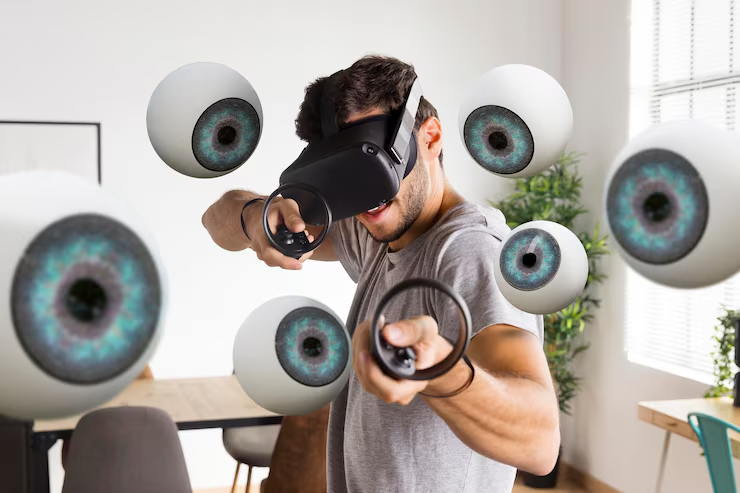
Visual learnerslearn best by seeing.
They like to read silently.
They enjoy visualstimulation, color, vivid imagery. Relate most effectively to written informations.
They can remember faces but forget names.
They notice visual effects in movies.
They enjoys watching TV, movies etc.
They like to study alone and quietly.
They follow written instructions and directions.
They have to think a while before understanding lecture.
They are good at reading and spellings
Use imagination power to remember facts and lines. Provide written instructions and ask them to read carefully. Avoid group discussions; they prefer one to one study. Watching audio-visual forstudy purpose. Make outline of everything you study. Copy what's written on the board. Convert the linear text or passage in the form of diagram and then study. Make web notes rather than linear notes.
Diagramming Reading Maps Showing a process note etc.
Oral Test Listen Test Respond Test
Auditory learnerslearn best by listening.
They like to read out loud.
They are not afraid to speak in class.
They like oral reports.
They are good at explaining things.
They can remember names easily.
They notice sound effectsin movies.
They enjoy music.
They read slowly.
They are good at grammar and foreign language.
They follow spoken directions well.
They can’t keep quiet for long periods.
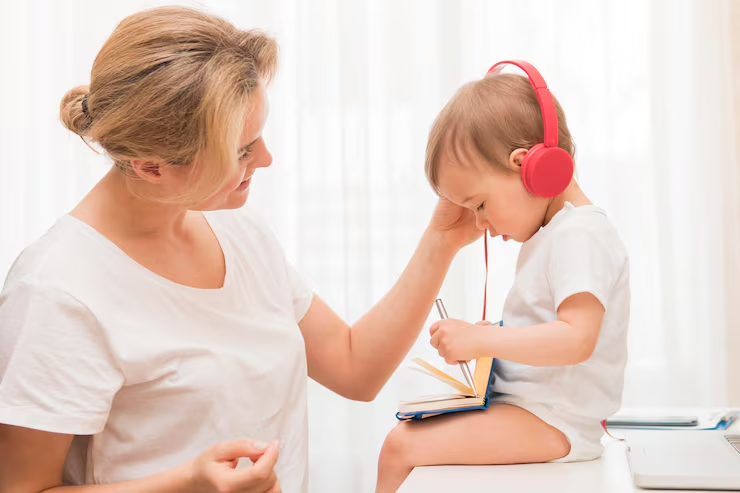
Use word association to remember facts and lines. Provide oral along with written instructions. Include whole group discussions. Watching audio-visual which complement the written test. They take longer time to read passage, so give them sufficient time to read. Repeating facts with eyes closed. If possible, record the study material, and listen to it frequently. Allow them to listen to music while studying,specially maths or science. Repeat facts with closed eyes.
Auditory Learners are good at writing responsesto lecturesthey've heard. They're also good at oral tests.
Reading passage and writing answers about them in a timed test.
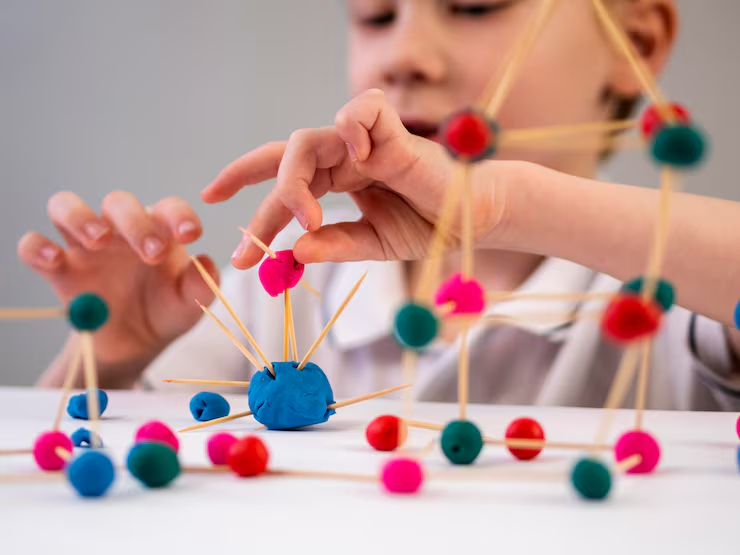
Kinesthetic learnerslearn best by doing.
They like to read along with walking or moving. Respond while practically doing thingsratherthan listening/reading.
They are generally good at sports/outdoor activities.
They can’t sit still for long.
They are generally not good at spelling.
They notice action and physical movements in movies.
They enjoy dancing while listening music.
They tap a pencil/foot while studying.
They like adventure books or movies.
They like physics, chemistry, biology lab or a mechanical workshop.
Use practical/doing approach to teach them. Teach them through different activities. Teach them in short blocksrather than in a stretched session. Use role plays while teaching them. Use flash cards to memorize. Allow them to walk while studying. Ask them to hold the book in their hands while reading. Sit near the door or somewhere else, where they can easily get up and move around. Illustrate your ideas by drawing maps, diagrams, graphs and tables.
Short definitions, fill-ins, multiple choice or participate in practical exam rather than written or viva.
Long tests, essays, written test, written description etc.
Understand which side of your brain dominates — analytical or creative — and learn how to use both for smarter learning and decision-making.